Sourcing Products from China to Morocco: A Complete Guide for Moroccan Businesses
In today’s competitive market, sourcing high-quality products at competitive prices is essential for businesses to thrive. Many Moroccan businesses are turning to China, the world’s manufacturing powerhouse, to meet their product demands. However, sourcing from China can be challenging without the right knowledge, tools, and strategies. This guide will help Moroccan entrepreneurs, retailers, and importers understand the complete process of sourcing products from China, ensuring smooth transactions, cost efficiency, and quality control.
Why Morocco Businesses Should Source from China
China has become synonymous with affordable, diverse, and scalable manufacturing. For Moroccan businesses, sourcing from China offers several advantages:
- Cost Efficiency: Manufacturing costs in China are significantly lower than in Morocco or Europe. By sourcing directly, Moroccan businesses can increase their profit margins.
- Variety of Products: China produces a vast array of products, from electronics and fashion to household goods and industrial equipment.
- Scalability: Whether your business requires small quantities or bulk orders, Chinese manufacturers can accommodate orders of any size.
- Innovation: China is constantly innovating, offering new products and technology that can give Moroccan businesses a competitive edge.
Understanding the Challenges of Sourcing from China
While the benefits are clear, sourcing from China comes with its own set of challenges:
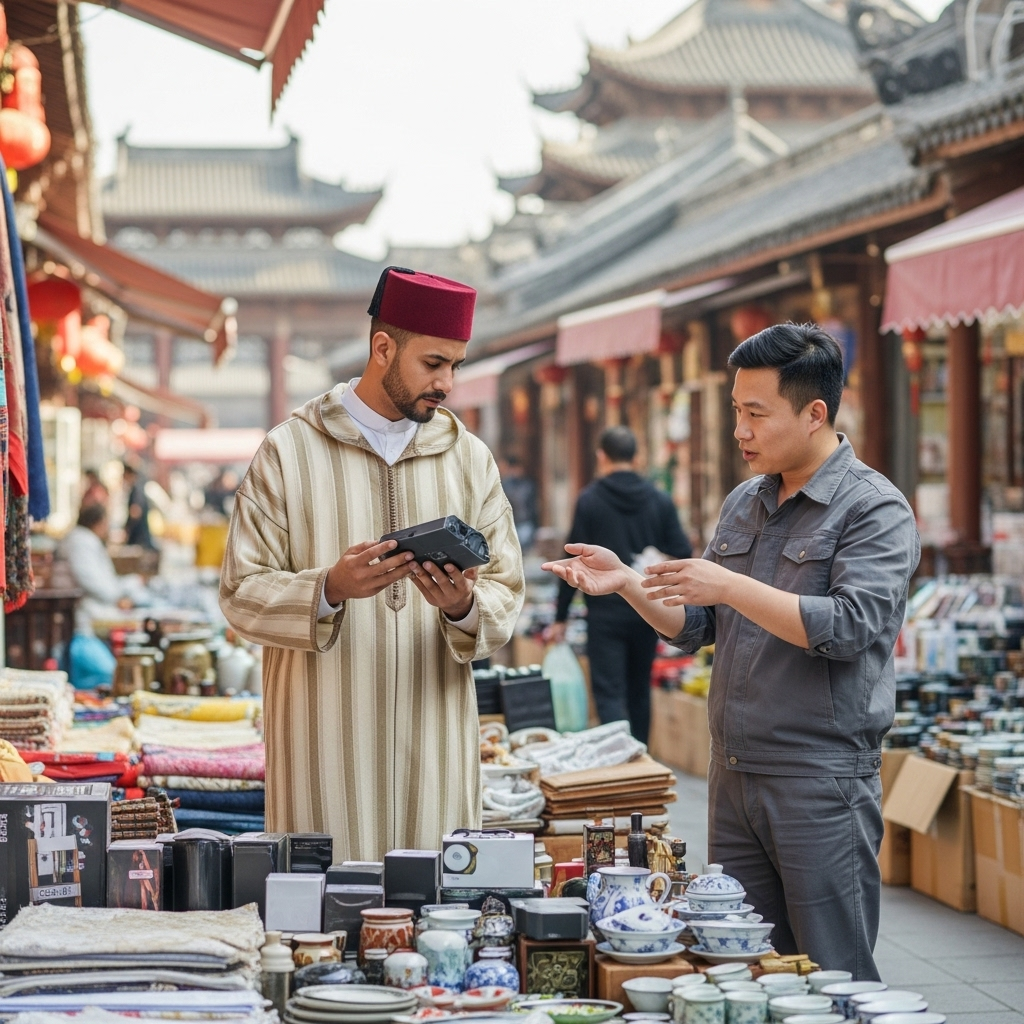
- Language Barriers: Communication can sometimes be a hurdle.
- Quality Control: Ensuring product quality requires careful inspection.
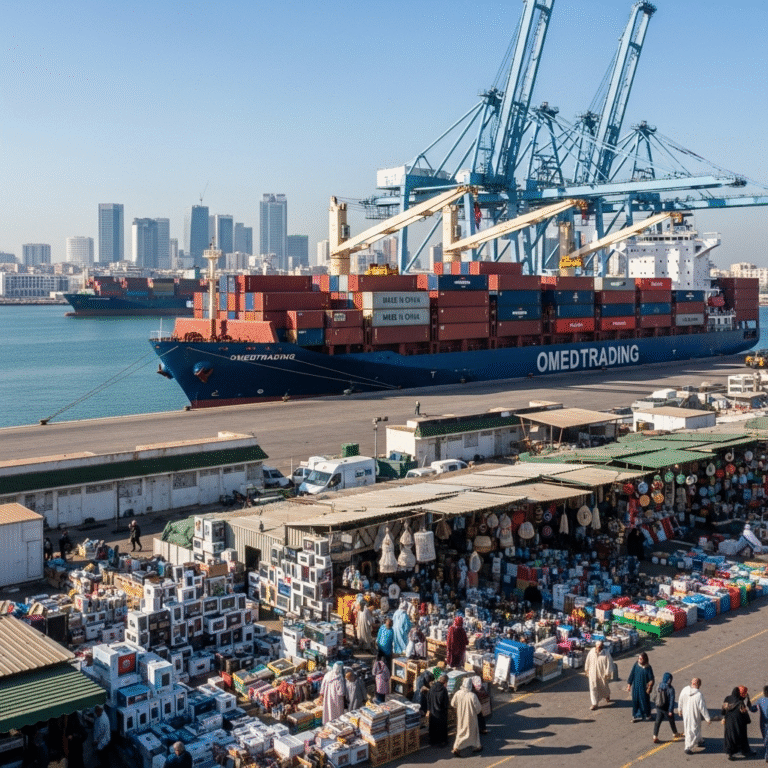
- Shipping and Customs: Importing to Morocco requires understanding logistics and compliance regulations.
- Fraud and Scams: Without reliable partners, businesses risk being scammed or receiving subpar products.
Understanding these challenges is the first step to developing a robust sourcing strategy.
Step 1: Identify the Right Products to Source
Before you start contacting suppliers, it’s important to clearly define the products you want to import. Consider:
- Market Demand: Analyze Moroccan market trends to identify products with high demand.
- Profit Margin: Choose products where the difference between the cost of sourcing and the selling price is profitable.
- Product Compliance: Ensure the products comply with Moroccan import regulations, including safety and quality standards.
Using tools like Google Trends, local marketplaces, and competitor analysis can help identify lucrative products.
Step 2: Finding Reliable Suppliers
Finding a trustworthy supplier is crucial to avoid scams and ensure product quality. Here are the most common methods:
- B2B Marketplaces: Platforms like Alibaba, Made-in-China, and Global Sources provide access to thousands of manufacturers. Always check supplier ratings and reviews.
- Trade Fairs and Exhibitions: Events like the Canton Fair allow you to meet suppliers directly, evaluate products, and negotiate better deals.
- Sourcing Agents: Hiring a local Chinese sourcing agent can save time and reduce risks by handling negotiations, inspections, and logistics on your behalf.
- Direct Contact: Some Moroccan businesses prefer to reach out directly to manufacturers’ official websites.
Always request samples before committing to a large order to evaluate product quality and consistency.
Step 3: Negotiating with Suppliers
Negotiation is a critical step in sourcing. Here’s how to approach it:
- Price Negotiation: Ask for discounts for bulk orders. Be polite but firm.
- Payment Terms: Avoid paying 100% upfront. Consider terms like 30% advance and 70% upon delivery or inspection.
- Minimum Order Quantity (MOQ): Many suppliers have MOQs. Negotiate a lower MOQ if you are testing the market.
- Quality Standards: Clearly define product specifications, packaging, and labeling requirements.
Successful negotiation can significantly improve profitability and ensure smooth business operations.
Step 4: Quality Control
Quality control is essential to avoid receiving defective or non-compliant products. Moroccan businesses should:
- Inspect Samples: Test product samples before placing bulk orders.
- Third-party Inspections: Consider hiring inspection services in China to check production batches.
- Certifications: Request product certifications to ensure compliance with Moroccan and international standards.
Remember, investing in quality control upfront reduces the risk of losses and strengthens your brand reputation.
Step 5: Shipping and Logistics
Shipping products from China to Morocco involves careful planning to minimize costs and delays:
- Shipping Methods:
- Sea Freight: Cost-effective for bulk orders but takes longer (20–40 days).
- Air Freight: Faster but more expensive, ideal for small or urgent shipments.
- Courier Services: For small shipments (FedEx, DHL), faster and hassle-free but costlier.
- Customs Clearance: Moroccan businesses must comply with import regulations, pay duties and taxes, and provide necessary documents like invoices, packing lists, and certificates of origin.
- Incoterms: Use Incoterms (FOB, CIF, DDP) to define responsibilities between supplier and buyer, including shipping costs, insurance, and customs duties.
Efficient logistics management reduces delays, unexpected costs, and ensures timely product delivery.
Step 6: Payment Methods
Choosing secure and reliable payment methods protects your business:
- Bank Transfer (T/T): Common and safe for international trade.
- Alibaba Trade Assurance: Provides protection if the supplier fails to meet shipping or quality commitments.
- Letter of Credit (L/C): Ensures payment is made only after specified conditions are met.
- PayPal or Escrow Services: Suitable for smaller suppliers or samples.
Always avoid paying 100% upfront unless you have an established relationship with the supplier.
Step 7: Leveraging Technology for Efficient Sourcing
Modern Moroccan businesses can optimize sourcing using technology:
- Product Sourcing Platforms: Alibaba, Global Sources, and 1688.com.
- Supply Chain Management Tools: Track shipments, inventory, and supplier performance.
- Market Research Tools: Use Google Trends, SEMrush, and Ahrefs to identify profitable products.
- Translation Tools: Facilitate communication with Chinese suppliers through professional translation services.
Technology simplifies sourcing, reduces errors, and improves efficiency.
Step 8: Legal Considerations
Importing products from China to Morocco requires understanding the legal framework:
- Customs Regulations: Check Moroccan customs requirements for prohibited and restricted products.
- Product Standards: Certain products may require certificates, like electronics, cosmetics, or food.
- Business Registration: Ensure your business is properly registered for import activities.
- Intellectual Property: Avoid counterfeit products to prevent legal disputes.
Adhering to these regulations ensures smooth operations and prevents penalties.
Step 9: Building Long-term Supplier Relationships
Long-term relationships with reliable suppliers offer several advantages:
- Better Prices: Suppliers may offer discounts for consistent orders.
- Priority Production: Suppliers prioritize loyal customers for production schedules.
- Trust and Communication: Good relationships reduce misunderstandings and improve negotiations.
Invest time in building trust, maintaining regular communication, and honoring agreements.
Step 10: Marketing Your Sourced Products in Morocco
Once products arrive in Morocco, marketing is key to business success:
- E-commerce Platforms: Sell on Jumia, Avito, or your own website.
- Social Media Marketing: Use Facebook, Instagram, and TikTok to reach Moroccan customers.
- Local Marketplaces and Retailers: Partner with local shops or distributors.
- SEO and Content Marketing: Create blog posts, product pages, and guides to attract organic traffic.
Combining sourcing expertise with smart marketing maximizes profits and brand growth.
Conclusion
Sourcing products from China to Morocco offers enormous opportunities for Moroccan businesses, from cost savings to access to diverse and innovative products. By carefully selecting products, verifying suppliers, managing quality control, and optimizing shipping and logistics, businesses can minimize risks and maximize profits. Leveraging technology, understanding legal requirements, and building long-term supplier relationships are critical for sustainable success.
With the right strategy, Moroccan businesses can compete globally, offer high-quality products to local consumers, and grow their operations exponentially.